Traversing Patagonia: Winds, Glaciers, and Boundless Horizons
Published by Field Operations • November 02, 2024 • Chilean Southern Andes
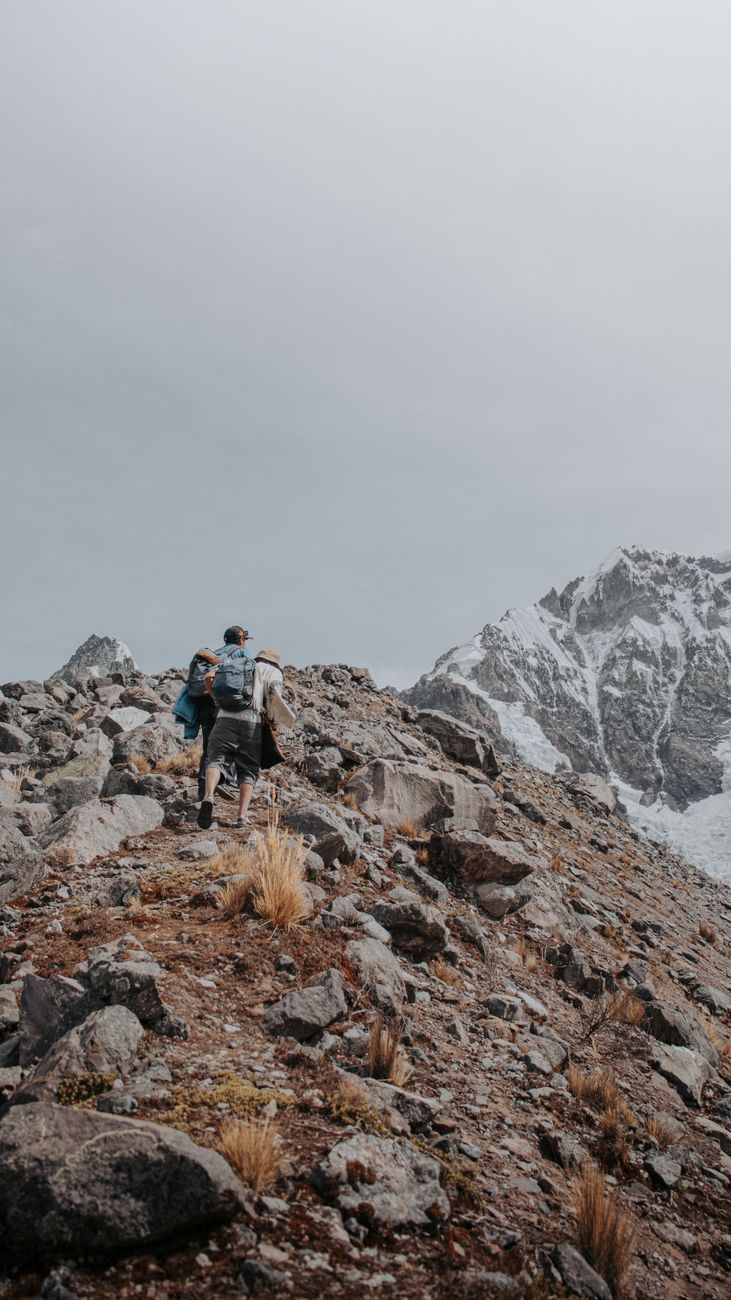
The wind does not simply blow in Patagonia; it commands existence. Originating over the vast expanse of the southern Pacific, it gains ferocity across unhindered ocean latitudes before battering against the granite spires of the Andes.
We entered the southern massifs via Puerto Natales, traveling northward into the vast amphitheater of Torres del Paine. Here, weather is not a mere backdrop for your excursion; it is the central protagonist that dictates whether a mountain pass can be negotiated or whether one must hunker in refuge shelters.
The Weight of Glacial Silence
Walking toward Glacier Grey, the sensory world is reduced to raw tactile truths: the crunch of scree underfoot, the sudden ozone smell of ancient ice, and the deep, seismic groans of calving bergs falling into turquoise waters.
“In Patagonia, human pretensions of scale disintegrate. You realize that nature does not accommodate you; you are merely an invited guest.”
The beauty of this wilderness lies in its absolute indifference to our schedules. To experience Patagonia properly, one must leave room for delay, for sitting in a canvas tent reading Bruce Chatwin while storms thunder against the ridgeline.
Essential Route Takeaways
- Layering Strategy: Synthetic windproof shells are indispensable; thermal merino base layers ensure survival during sudden squalls.
- Respect Pack Weight: Every surplus kilogram is felt acutely during 800-meter vertical ascents along rocky moraines.
- Water Purity: Glacial meltwater from mountain streams remains among the purest on the planet, needing minimal filtration in high elevations.
Ready for the Southern Wilderness?
Speak with our wilderness logistics specialists to craft your bespoke Chilean or Argentine itinerary.